Türkçe »
  Whatsapp
Blog Single
RELIABLE TECHNOLOGY
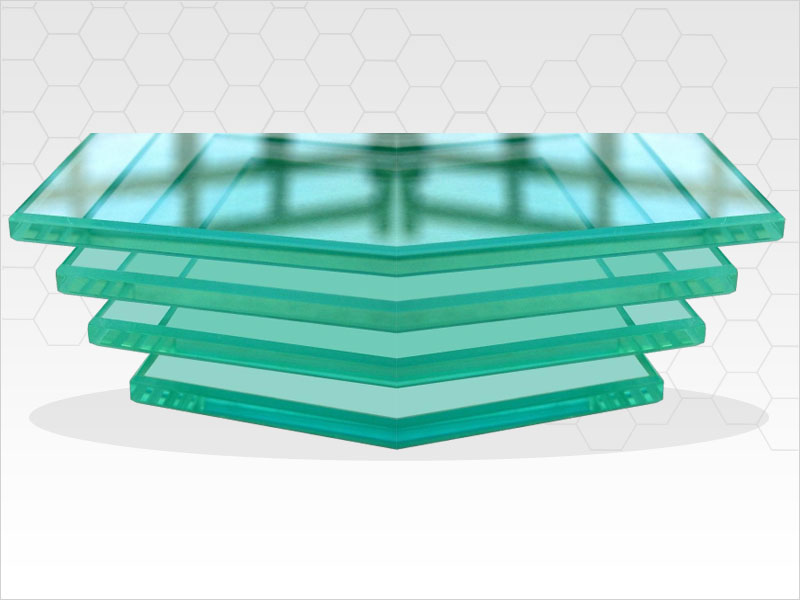
Tempered Glass
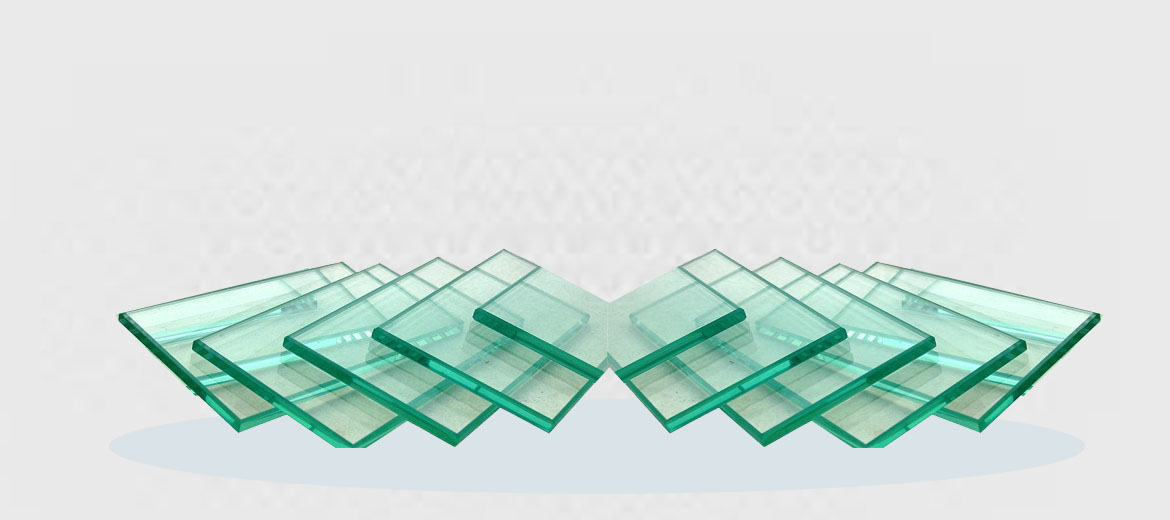
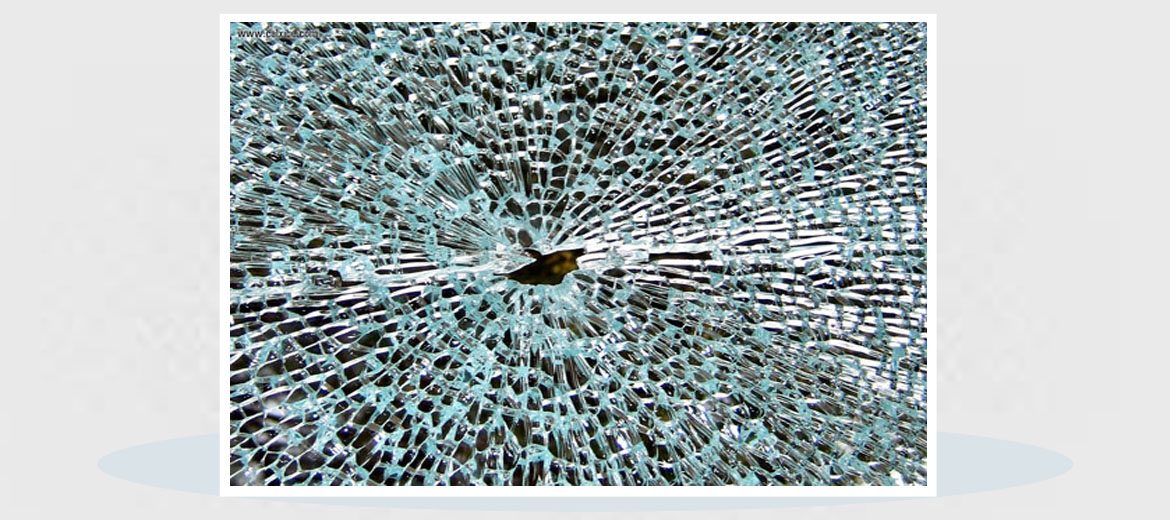
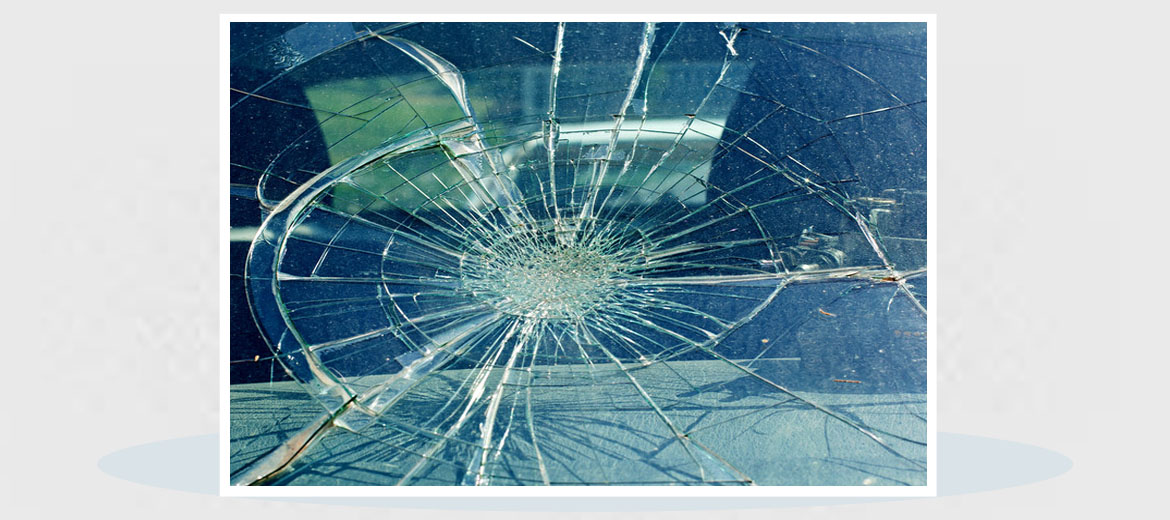
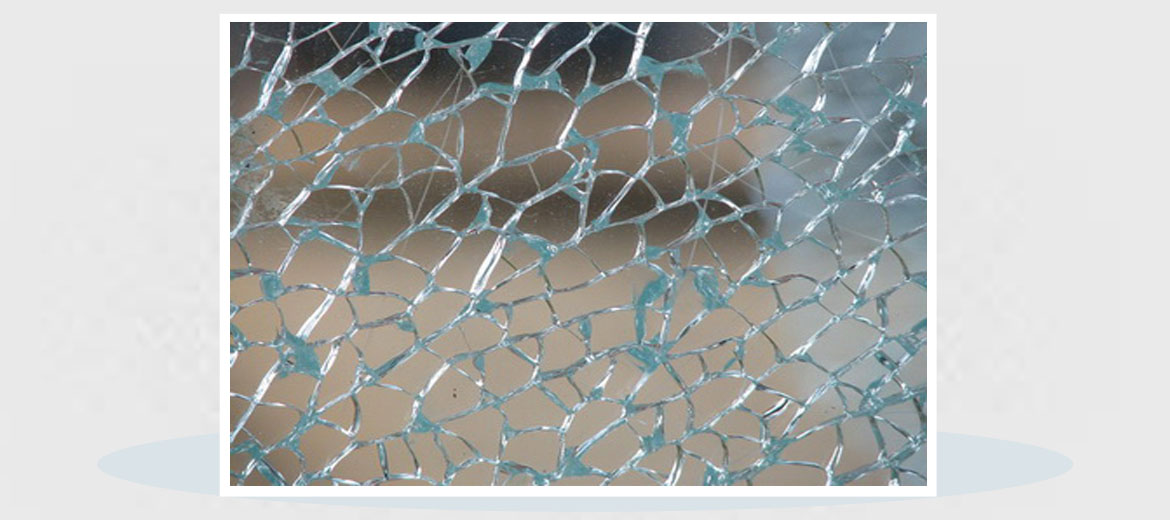
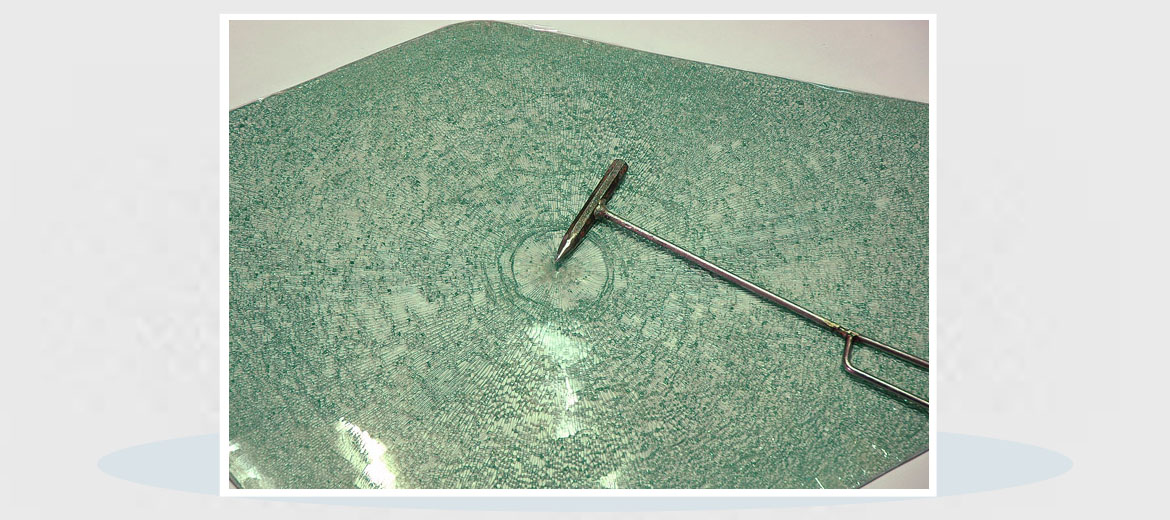
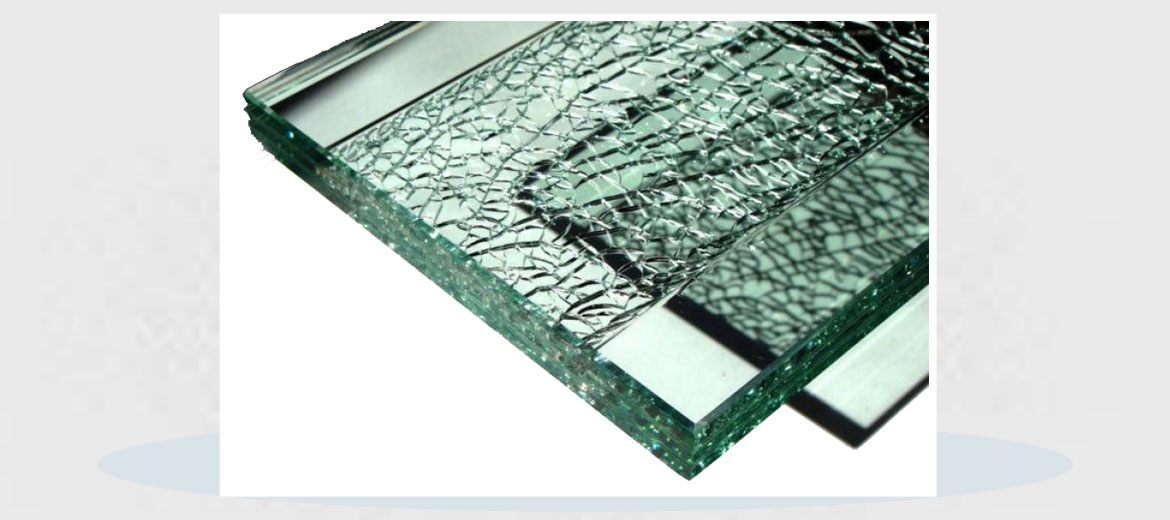
Tempering is the process of heating the glass to a temperature close to its melting temperature and then cooling it suddenly in order to give the glass about 4-5 times the strength. Tempering increases the durability of the glass and its resistance to stress. Tempered glass, which is about five times more resistant to impacts than float glass, is a safe glass that reduces the risk of injury by breaking into small and blunt pieces when broken.
Areas of Use:
* Museums, * Bank branches, * Police stations and military institutions, * Glass doors and glass facade systems, * Security booths, * Glass applications in public areas, * Glass applications in intensively moving areas, * Solar collectors, * Wind blocking structures of stadiums, * It is used in many places such as classrooms, schools, public buildings, kindergartens, from windowing to door systems of very active places.
Areas of Use:
In case of breakage, it is the separation of glass into small mass pieces the size of a dice. Glass panels that are cut to size and edged are heated to a temperature close to the softening point and rapidly cooled to provide 10,000 psi pressure pre-stress to the glass surfaces. Tempered glass, which is given a certain level of surface pre-tension with special heat treatments, is approximately 4-5 times more resistant to pressure, impact and thermal breakage risks than normal glass. (Thermal breakage is a risk that occurs in solar control panels, some parts of which receive solar heat; other parts are in the shade). Tempering also increases the strength of the glass and its resistance to thermal stress.